September CPTSD / Suicide Awareness & Prevention Month
Understanding CPTSD and it's relevance during September. A new article to focus on awareness and suicide prevention.
September is a month of deep significance in the mental health community. It marks both Complex Post-Traumatic Stress Disorder (CPTSD) Awareness and Suicide Prevention Month — two interconnected areas that highlight the urgent need for understanding, compassion, and action. I have written this article to make those aware that as a person who suffers from CPTSD & depression, I understand the fight and I am here for anyone who needs me.
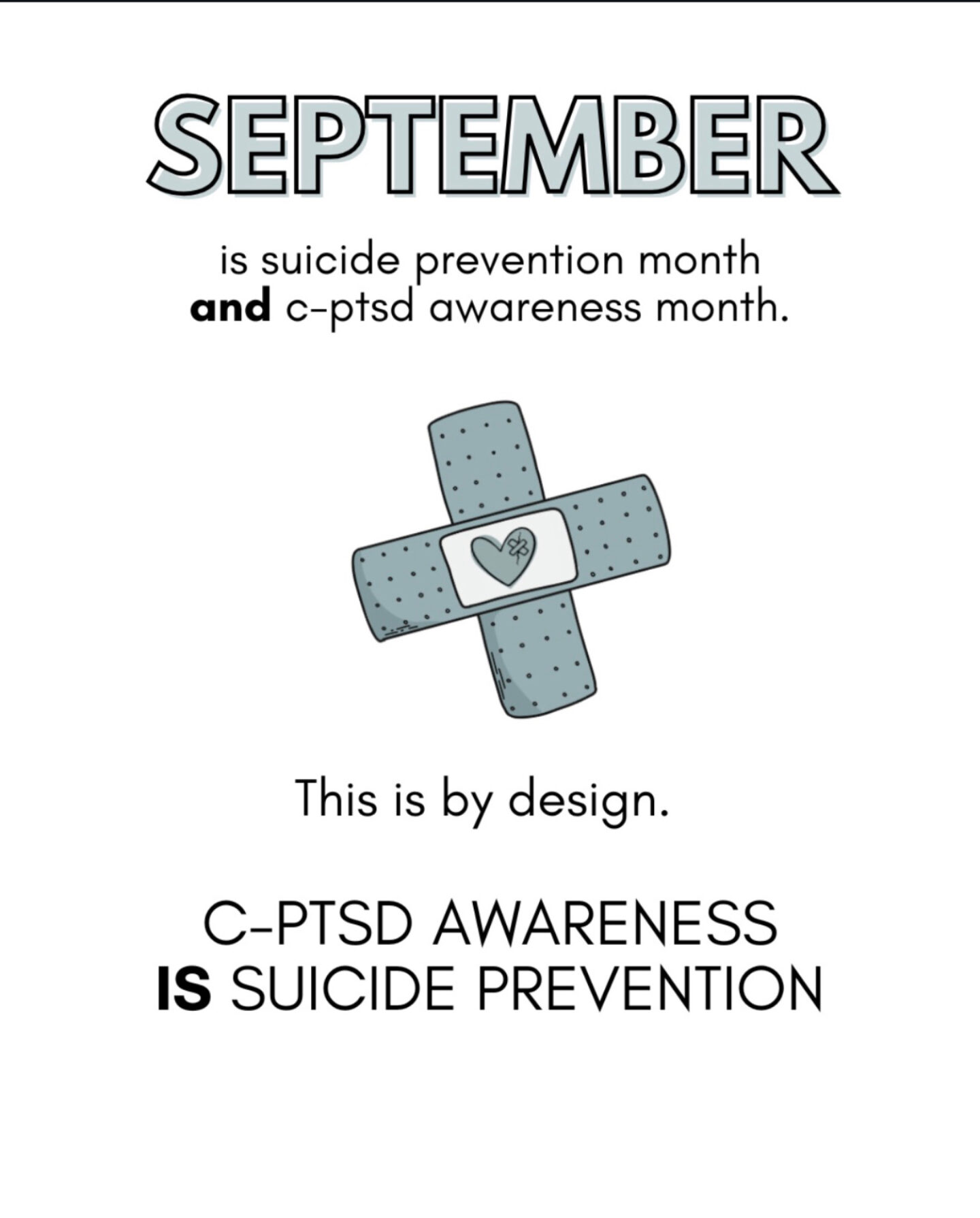
What is CPTSD?
Complex Post-Traumatic Stress Disorder, or CPTSD, is a mental health condition that arises from prolonged or repeated trauma, often occurring in childhood or over extended periods. Unlike PTSD, which is typically linked to a single traumatic event, CPTSD stems from enduring situations such as chronic abuse, neglect, domestic violence, or captivity. The symptoms can be overwhelming and multifaceted, including:
- Emotional dysregulation and sudden mood swings
- Persistent feelings of shame, guilt, or worthlessness
- Difficulty trusting others and forming healthy relationships
- Hypervigilance, nightmares, and flashbacks
- Dissociation or feeling detached from reality
Because CPTSD is complex and multi-layered, it requires tailored support, therapy approaches, and understanding from both professionals and loved ones.
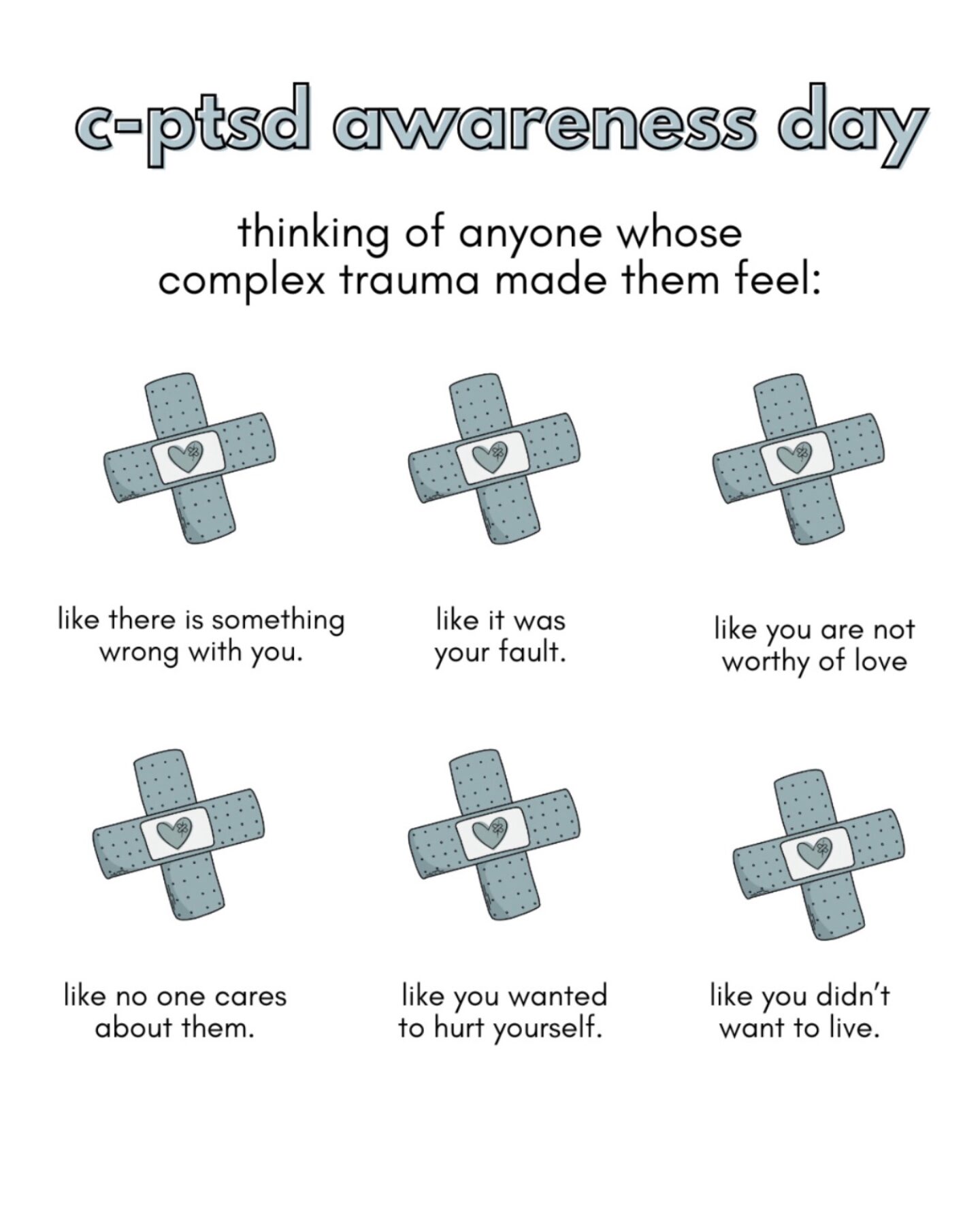
How CPTSD Impacts Daily Life
Living with CPTSD can feel like carrying a huge silent weight. Everyday interactions, work environments, or social situations can become triggering. Many experience intense anxiety, depressive episodes, suicidal ideation, and feelings of isolation. Simple tasks, like leaving the house or answering a phone call, can become monumental challenges.
Coping often involves a combination of strategies:
- Therapeutic support: Trauma-informed therapy, EMDR (Eye Movement Desensitisation and Reprocessing), and somatic therapies can be life-changing.
- Self-care routines: Grounding techniques, journaling, meditation, and structured daily habits can help stabilise the mind.
- Community connection: Support groups, both in person and online, provide validation and a reminder that one is not alone.
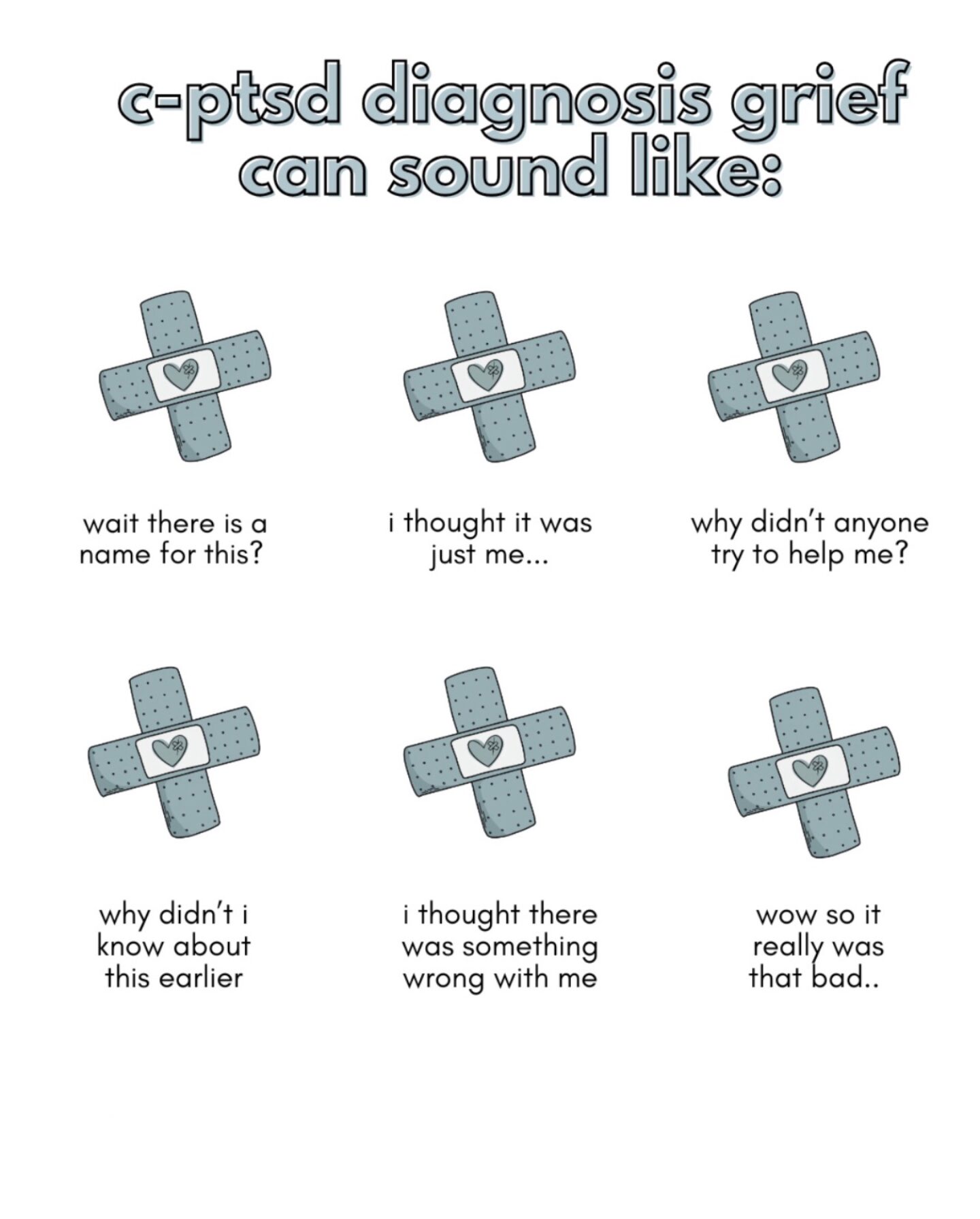
The Link Between CPTSD and Suicide Risk
The emotional weight of CPTSD can become overwhelming, and sadly, individuals with untreated or unsupported trauma are at a heightened risk of suicidal thoughts or behaviours. This makes September’s Suicide Prevention Month particularly vital for raising awareness and fostering safe, supportive spaces for those struggling.
Warning signs of suicidal ideation can include:
- Expressing feelings of hopelessness or unbearable pain
- Withdrawing from loved ones or social circles
- Sudden mood improvements following severe depression (a potential indicator of a plan)
If you or someone you know is experiencing these signs, seeking immediate support is essential. In the UK, you can contact:
If you feel that the person you love is struggling, talk to them in a respectful, calm manner to help them understand that you are not a threat. The last thing you should do would be to start arguing with them. This is a trigger, as they will go straight to fight or flight and spiral downwards.
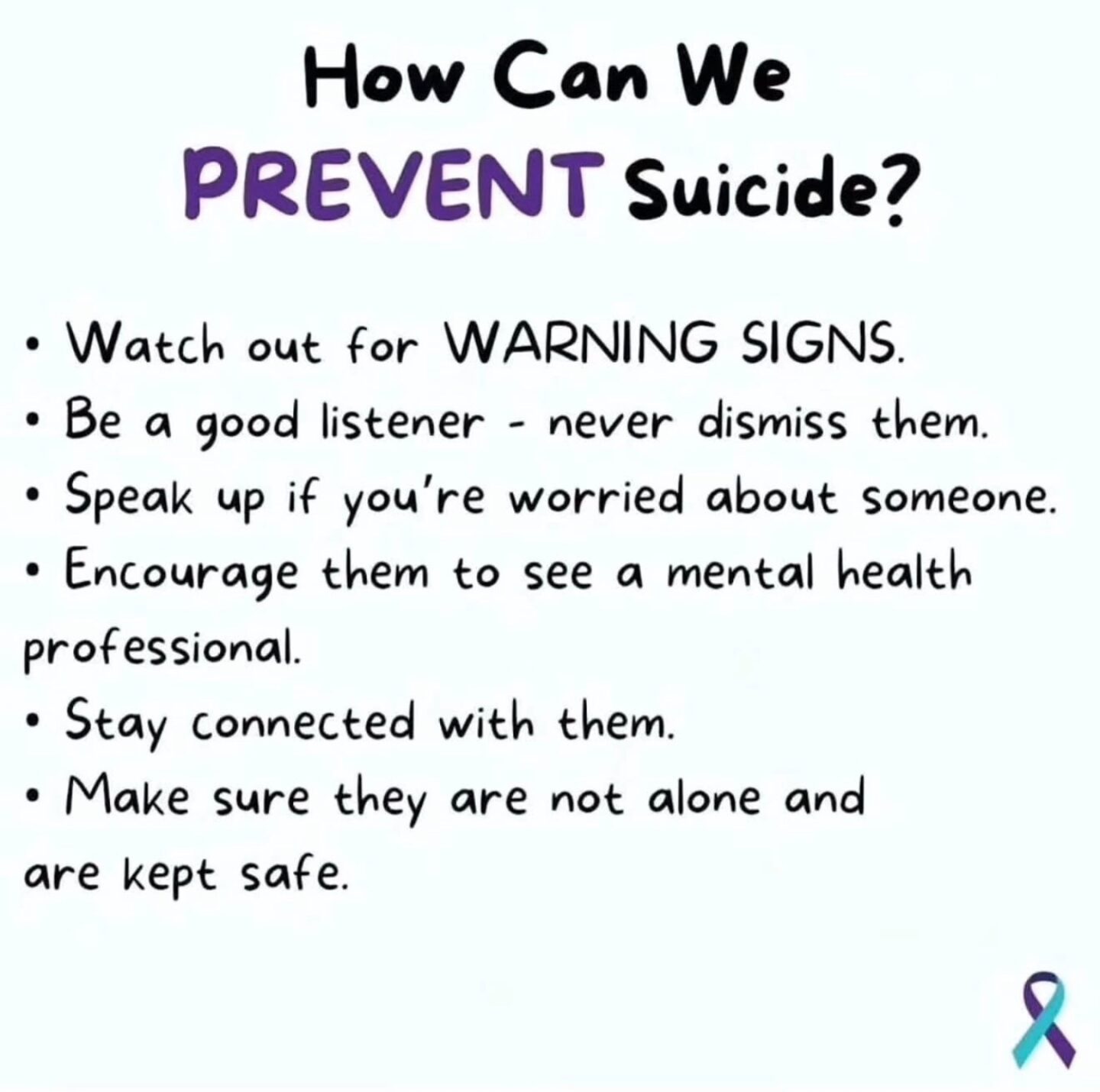
Moving Towards Healing and Awareness
Raising awareness of CPTSD and it's connection to suicide prevention is more than an exercise in education — it is a call for compassion and action. Healing is rarely linear; it is a journey of small victories, which should be celebrated alongside the struggles.
As individuals and communities, we can:
- Advocate for trauma-informed mental health services
- Check in on friends and family regularly
- Create safe spaces where mental health can be discussed without judgement
In 2026, we should have moved on from judgment and blindness. More people are suffering from these mental health issues and lack the support they need. It's easy to turn your back on someone in need as it doesn't fit into someone else's life or it may be to much for loved ones to take on. I do not agree with this. I feel that those are excuses said by people who just don't care enough or do not want to be involved in their life, especially with these hardships. We need to change this outlook.
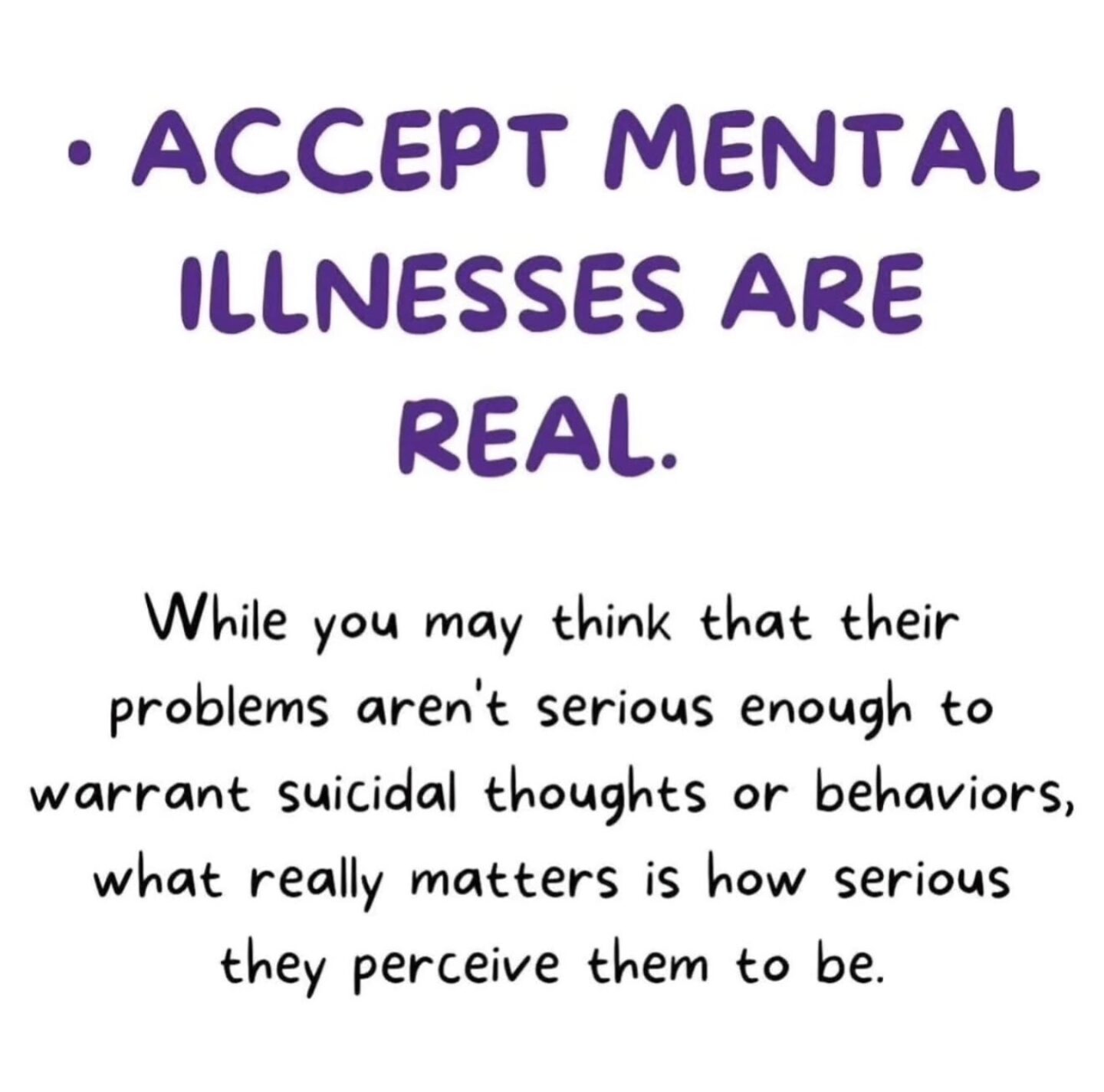
Accept Mental Illnesses Are Real
Accepting that mental illnesses are real is a crucial step towards understanding and supporting those who experience them. Conditions such as anxiety, depression, and bipolar disorder are not signs of weakness or character flaws but genuine health issues that affect the brain and overall wellbeing. Acknowledging their reality allows society to break down harmful stigmas, encourage open conversations, and prioritise proper treatment and support. Just as we would not dismiss a physical illness like diabetes or heart disease, recognising mental health challenges as legitimate fosters empathy, promotes education, and helps individuals seek the help they need without fear or shame.
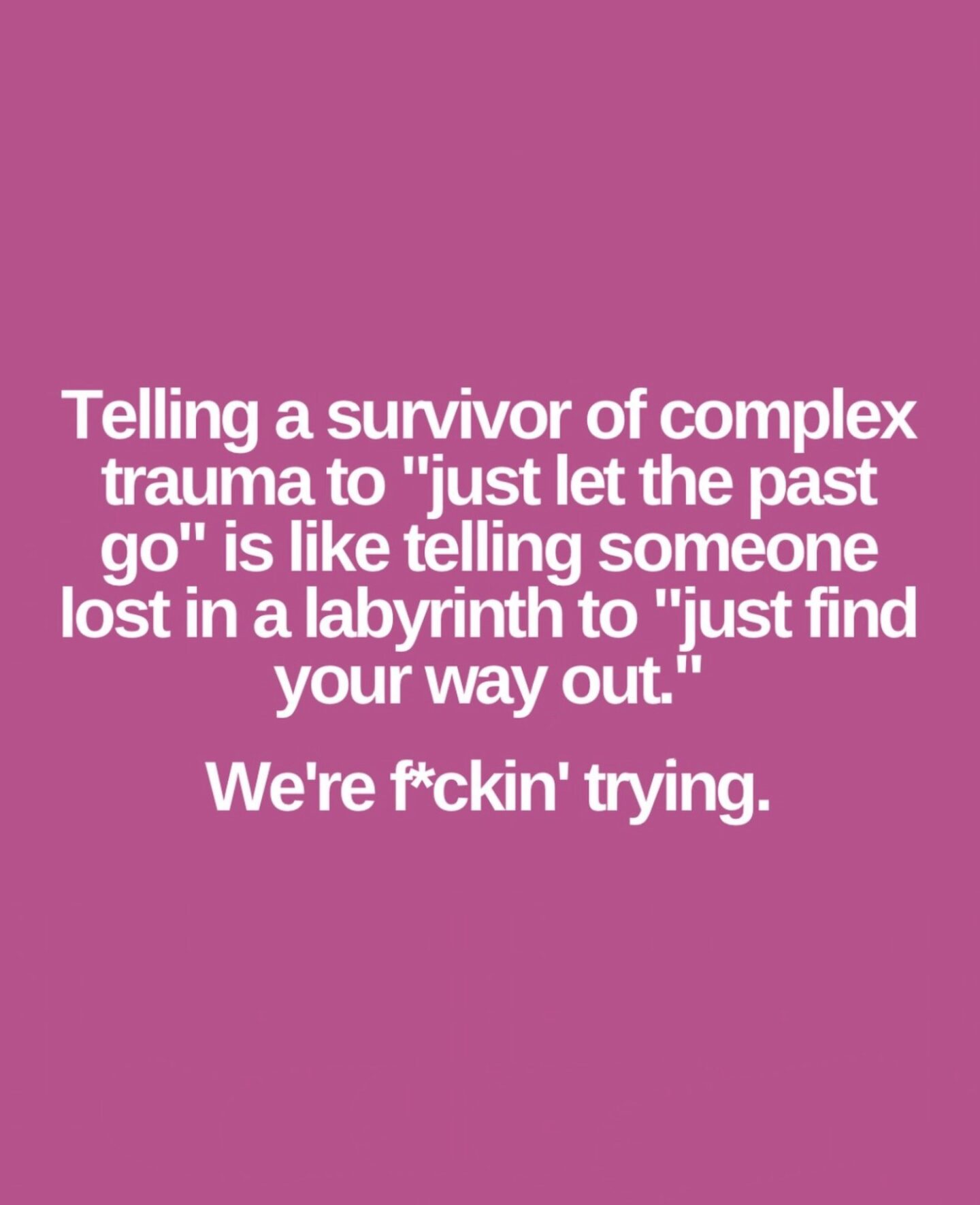
CPTSD and Self-Harm
For some individuals living with CPTSD, self-harm can become a coping mechanism to manage overwhelming emotional pain or numbness. Self-harm often serves as a temporary release or a way to regain a sense of control when emotions feel unbearable. It is important to understand that self-harm is not about seeking attention but rather a sign of deep internal distress.
Common reasons for self-harm among those with CPTSD include:
- Attempting to externalise or relieve intense emotional pain
- Releasing feelings of anger, shame, or guilt
- Feeling temporarily in control of emotions or the body
- Recognising self-harm as a symptom of trauma can help guide compassionate support.
- Professional help, such as trauma-focused therapy, helplines, and support groups, can provide safer coping tools and pathways to healing.
If you or someone you know is self-harming, it is vital to seek help. In the UK, you can reach out to:
- Samaritans: 116 123 (free, 24/7)
- Text SHOUT: 85258 (free, 24/7)
- Mind: 0300 123 3393
Final Say
September reminds us that mental health awareness is not just a campaign — it is a lifeline. If you are living with CPTSD or Anorexia Nervosa like me, you are not weak, and you are not alone. Every step you take, no matter how small, is a testament to your strength. Let this month be a beacon of hope, a time for breaking the silence, and a reminder that help is always within reach. I'm rooting for you, and I am always here to talk without judgement.
If you or someone you love is in crisis, please reach out. Talking can save lives.
EVE
<3